From program pilots to public policy reform, Michael leverages design thinking, data, and strategy to create systems-level solutions addressing social challenges.
Passing Federal Consumer Protections
Strategic Communications Consultant
Message R&D, Facilitation, Coalition Management
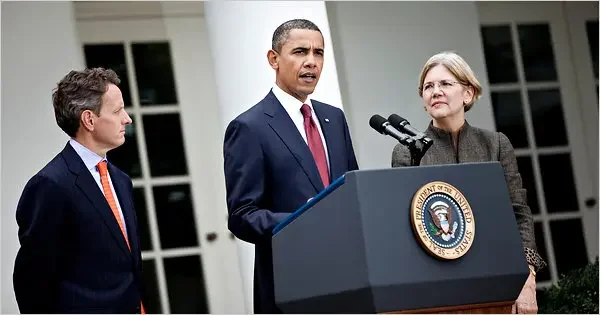
At the depths of the 2008 U.S. mortgage and credit crisis, Michael worked with the Ford Foundation and a coalition of its grantees to reframe the public debate around the crisis’s root causes and pass legislation to increase consumer protections. Managing research and coordination among dozens of Congressional members and staff, led by Senator Elizabeth Warren, he crafted a powerful evidence-based narrative combating misinformation, and mobilizing dozens of state-level advocacy partners into action. Through facilitated capacity-building workshops and media training, coalition members - including then-US Treasury Secretary Timothy Geithner - used clear and compelling messages Michael developed across critical media appearances, paving the way for passage of the Dodd-Frank Wall Street Reform Act, and appointment of Senator Warren as first-ever head of the Consumer Finance Protection Agency.

Creating Greater Health Equity in New York City
Consultant and Implementing Partner
Community organizing, research, program design
At the request of NYC/EDC, Michael led a three-year, multi-sector effort to mobilize resources and partners supporting the long-term economic and social recovery of the City’s hardest hit communities emerging from the Covid-19 pandemic, focusing efforts within Brownsville, Brooklyn. Deploying Public Sentiment’s inclusive engagement methodology, Michael convened a leadership group of community partners serving diverse constituents to identify critical needs, mobilize hundreds of thousands in corporate contributions, and co-design pilots addressing priority community stressors like food security and public safety.
Leveraging cutting-edge social neuroscience on “experiential diversity” – a person’s daily instances of joy and discovery, which correlates with overall wellbeing – Michael coordinated with multiple city agencies to activate public spaces in affordable housing developments with local cultural programming, built solutions, and small business engagement. In addition to addressing multifaceted community challenges, the pilot provided City officials with opportunities for rare pre/post-exposure data demonstrating efficacy, and helping inform future City agency budget priorities.
Shutting Down the World’s Largest Sex Trafficking Site
Consultant
Advocacy Toolkit Development, Coalition Management
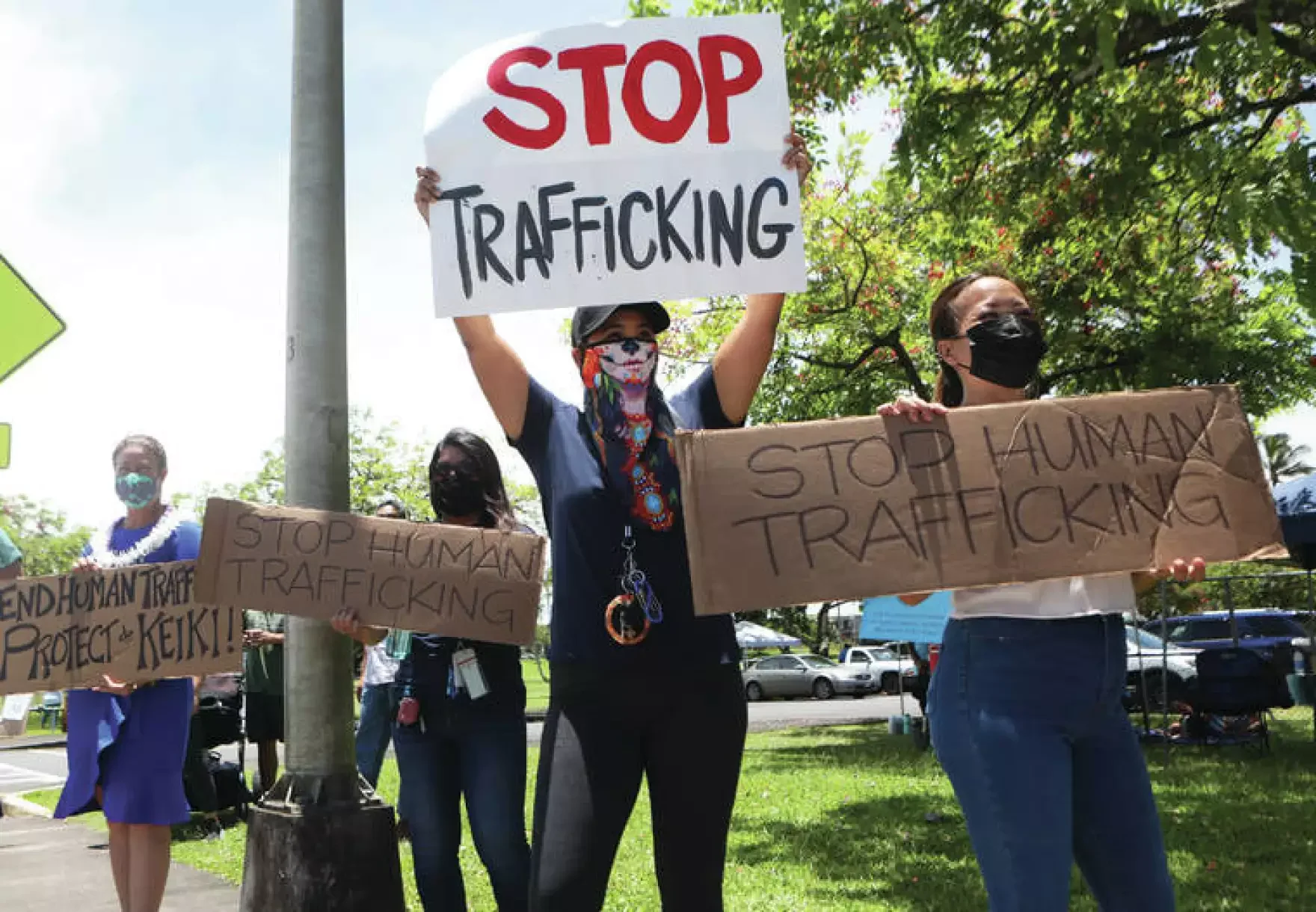
Working with the NoVo Foundation, Michael led efforts to shut down the world’s largest sex trafficking website with a pressure campaign led by lawmakers, celebrity advocates, and anti-sex trafficking organizations. Enabled by a patchwork of U.S. regulations, and a global shadow fleet of advertisers, the site played an outsized role in facilitating the global trafficking of minors. Working with issue experts to develop compelling advocacy messages, materials, and action plan, Michael supported a cross-sector coalition in launching an integrated, multi-channel pressure campaign entitled “Dear John.” With coordinated ad buys, social media posts, earned media coverage, and media blitzes by influential advocates, the campaign drove tens of thousands of supporters to a centralized Action Hub pressuring members of Congress to vote on sweeping punitive reforms for online sex traffickers. Following four months after the launch of the “Dear John” campaign, the site took down its “Personals” site, delivering a major win to human rights defenders around the world.
Preserving Cultural Heritage Sites in New York
Implementing Partner
Engagement Design, Facilitation, Coalition Management
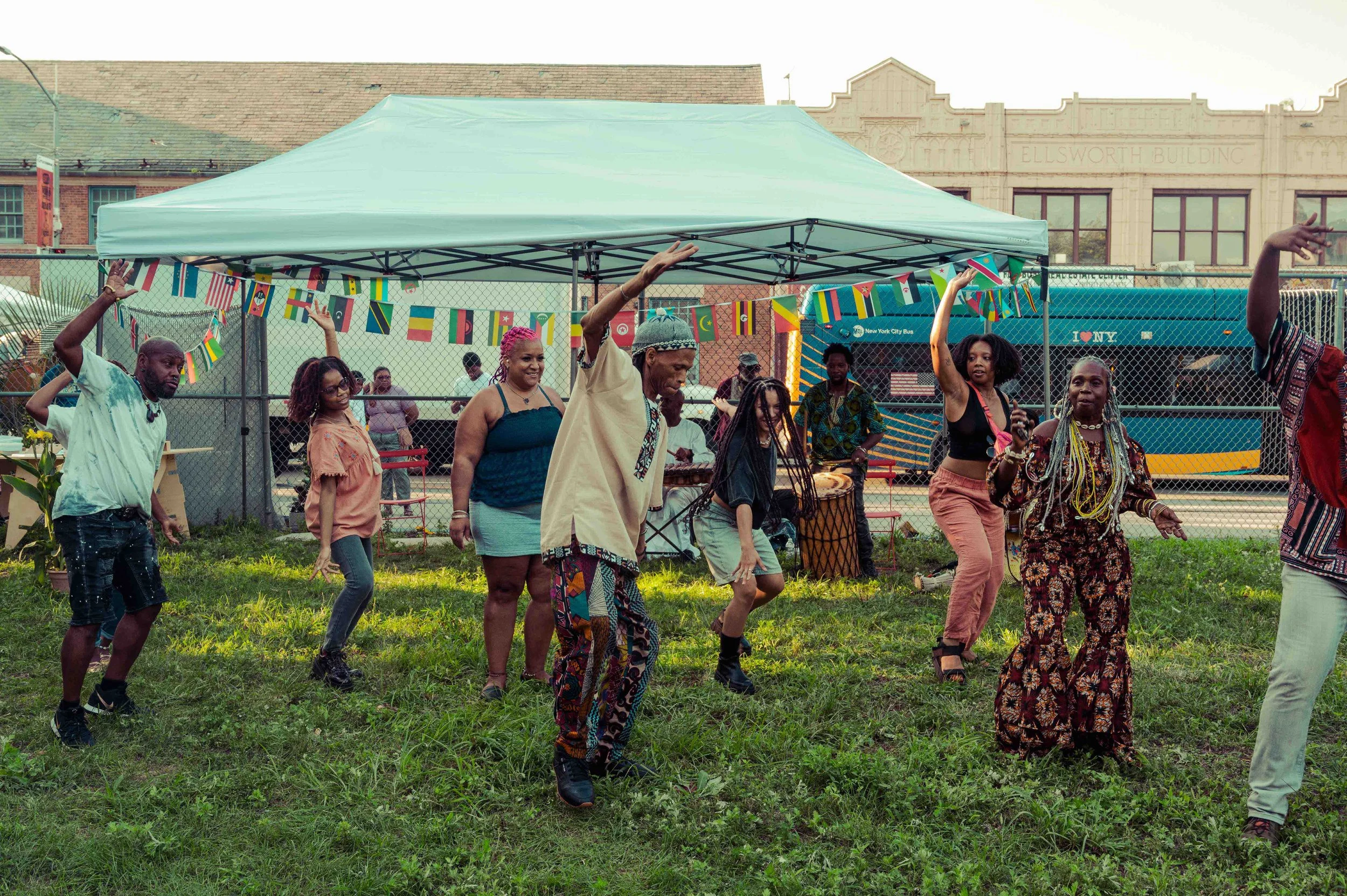
Following historic developments driven by continued community advocacy to preserve the sacred grounds of the Flatbush African Burial Ground in Brooklyn, NY, Michael teamed up with a coalition of two dozen Flatbush organizations to devise a comprehensive community engagement and place activation plan. Envisioned by project leaders as an anchor for a larger borough-wide economic corridor celebrating and promoting Black history and businesses, the Burial Ground stood to serve as both a visible marker of the City’s history with enslavement, and contribute to ongoing reparative justice efforts.
With support from the Mellon Foundation, Association for Neighborhood and Housing Development, and Urban Design Forum, Michael incorporated these overarching aims into a tactical plan of action. Through strategic planning sessions, policymaker and community board coordination, and workshop facilitation, he helped lay the foundation for a constructive memorial design process for one of the City’s most contended and significant spaces.